
Planning & Installation of Heating and Cooling Systems
Efficient and reliable industrial operations start with well-designed systems.
We provide professional planning and installation of heating and cooling systems that meet industry standards, ensuring optimal performance, safety, and long-term efficiency.
Factory Design & Planning
A well-designed factory is the foundation of efficient operations.
It ensures smooth production flow, enhances workplace safety, and reduces long-term maintenance costs.
At 9 Straight Construction, we specialize in comprehensive factory design and planning — delivering solutions that align with your production requirements, operational efficiency, and future scalability.
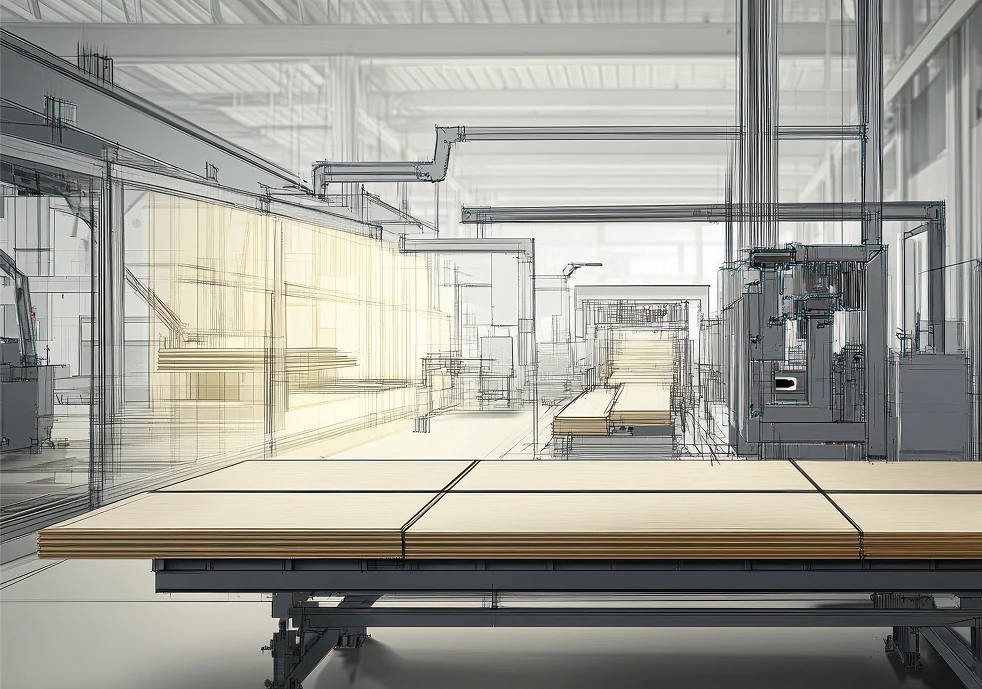
Factory Structural Design
Designing a factory structure requires careful consideration of multiple factors — from supporting heavy machinery loads to optimizing production line layouts, as well as organizing electrical and wastewater systems efficiently.
At 9 Straight Construction, we develop factory structures tailored to your business needs, ensuring operational efficiency, safety, and scalability for future expansion.
Structural Design for Factory Buildings
Factory structures must be engineered to support operational demands, including machinery loads, workflow efficiency, and system integration.
We design structures that:
- Support heavy equipment safely
- Align with production processes
- Integrate electrical and utility systems effectively
Designed for Production Lines & Machinery
A well-planned structure directly impacts production performance.
We ensure:
- Stable load-bearing capacity for machinery
- Efficient production flow layout
- Seamless integration with operational systems
Modular Factory Structure – Scalable for Future Expansion
The concept of Modular Factory Design allows businesses to adapt and expand their facilities efficiently.
This approach enables seamless expansion without disrupting existing operations, making it ideal for growing industries.
Designed for flexibility and long-term growth, modular structures support continuous business development while maintaining operational efficiency.
Green Factory Systems
A Green Factory focuses on energy efficiency and environmental sustainability.
We design factories that incorporate eco-friendly materials, optimized ventilation systems, and clean energy solutions.
This approach not only reduces environmental impact but also enhances operational efficiency and long-term cost savings.
Safety & Structural Stability in Factory Design
Safety is a critical foundation for every type of factory.
A well-designed and structurally sound facility not only supports heavy machinery and production lines but also minimizes risks from accidents and environmental factors.
Reduced Long-Term Maintenance Costs
Accurate structural design and engineering help minimize damage caused by long-term heavy usage.
Using high-quality materials and modern construction techniques ensures durability and reduces maintenance expenses over time.
Efficient Space Planning
Beyond structural stability, effective layout planning is essential.
This includes organizing production areas, raw material storage, and clear pathways for workers and forklifts to ensure smooth and safe operations.
Technology & Innovation in Factory Design
Modern technologies play a key role in factory design, such as BIM (Building Information Modeling),
which enhances planning accuracy, reduces errors, and improves overall project efficiency.
Clean Energy & Solar Integration
Modern factory design incorporates clean energy solutions, including solar panel systems, energy-saving technologies, and efficient energy management.
These solutions help reduce operational costs while supporting environmental sustainability.
Consult with Our Professional Engineering Team
If you are looking for a complete design and construction solution — whether for residential, commercial buildings, or industrial factories —
the expert team at 9 Straight Construction is here to support you.
We provide close consultation and tailored solutions to match your project needs, from requirement analysis and structural design to layout planning and full-scale construction.
Delivering projects that are safe, efficient, and ready for long-term use.
9 STRAIGHT
Our Plumbing System Services
Water System Planning & Design
We plan water usage systems tailored to each project, including material selection, system layout, and performance optimization to ensure efficiency and reliability.
Plumbing & Water Supply Installation
We install piping systems, water supply lines, and related equipment such as water tanks, pumps, and filtration systems — ensuring proper functionality and durability.
Hot Water Systems
Design and installation of hot water systems, including water heaters, hot water piping, and temperature control systems to meet your usage needs.
Cooling Systems
We provide planning and installation of cooling systems, selecting solutions that best suit your operational requirements.
Plumbing Installation & Maintenance
Comprehensive maintenance services, including routine inspections and repair work to ensure long-term system performance.
Safety Inspection & Testing
We conduct system inspections and testing to ensure all installations meet safety standards and operate reliably.
Wastewater System Planning & Installation
Design and installation of wastewater and drainage systems to ensure proper disposal and environmental compliance.
Water & Energy Efficiency Consultation
We provide expert advice on optimizing water and energy usage, helping reduce operational costs and improve sustainability.
FAQ’s
Frequently Asked Questions
What is the minimum budget required to build a house?
The budget depends on several factors, including the size of the house, materials used, and location.
On average, construction starts from approximately THB 2–3 million for a standard home built on a 50 sq.w. plot in suburban Bangkok, using standard materials.
Where do I apply for a construction permit, and what documents are required?
As of 2026, construction permits can be submitted online via the BMA OSS system (for buildings not exceeding 2,000 sq.m. and 5 floors).
If all documents are complete and approved, results are typically issued within 14 days.
For submissions through local administrative offices (Subdistrict Administrative Organization, Municipality, or District Office), the process takes up to 45 days, provided all documents are correct and no revisions are required.
Required documents include:
- Architectural and Engineering Drawings (Complete Set)
- Architectural, structural, electrical, and plumbing plans
- Signed by licensed architects and engineers
- Architectural, structural, electrical, and plumbing plans
- Copy of Land Title Deed (Nor Sor 4 or equivalent)
- Certified true copy
- All pages must be included
- Certified true copy
- Letter of Consent for Construction (if the landowner is not the applicant)
- Along with a copy of the landowner’s ID
- Along with a copy of the landowner’s ID
- Copy of Applicant’s ID Card
- Power of Attorney (if someone submits on your behalf)
- With a copy of the representative’s ID
- With a copy of the representative’s ID
- Construction Permit Application Form (Form A.1)
- Available at district offices or via the BMA online system
How long does it take to build a house?
Construction time depends on the size and complexity of the project.
For example, a typical 2-storey house takes approximately 10–12 months to complete.
How are contractor fees calculated?
Contractors typically charge either per square meter or as a lump-sum contract.
As of 2025, the average cost for reinforced concrete residential construction is around
THB 22,000 – 30,000 per sq.m., depending on material specifications.
How can I determine if a contractor is reliable?
Review their past projects, ensure a formal contract is in place, and confirm that work stages and payment schedules are clearly defined.
Which materials are worth investing in?
Key areas that should prioritize higher-quality materials include:
- Structural components
- Electrical and plumbing systems
- Thermal insulation materials
Planning ahead for solar panels or smart home systems is also recommended, as it is more cost-effective than retrofitting later.
Is it required to have an engineer or architect supervise the project?
Yes. By law, qualified professionals must supervise construction.
For example:
- Structural engineers must approve load calculations for columns and beams
- Electrical engineers must oversee electrical system installations
How can I prevent budget overruns?
Develop detailed plans and use contracts that clearly specify materials.
A reliable contractor will provide a complete breakdown, including models, specifications, quantities, and installation costs (e.g., brand, model, unit price, installation fee).
This allows homeowners to review and adjust materials before construction begins, ensuring the project stays within budget.
Is construction insurance necessary?
It is not mandatory but highly recommended, as it protects against potential damage during construction.
If financing is obtained through a bank, insurance (such as fire insurance) is typically required and included in the loan.
What is the standard warranty period after construction?
Typically:
- Structural work: 5–10 years
- General work: 2–3 years
9 STRAIGHT
From Foundation to Finish — By Us
With over 20 years of experience in construction — from homes and factories to condominiums — we have consistently earned our clients’ trust through honesty and transparency in every project. We are the reliable choice when you’re ready to build your home.
- 20+ Years of Construction Experience
- Expert Engineers & Architects Ready to Advise
- Transparent. No Cost Overruns. No Abandoned Projects
Turnkey Construction Services Nationwide Homes, buildings, offices, condominiums, warehouses, and factories — delivered by a professional team you can trust.
